Welcome to Don Pedro's Family Mexican Restaurant!


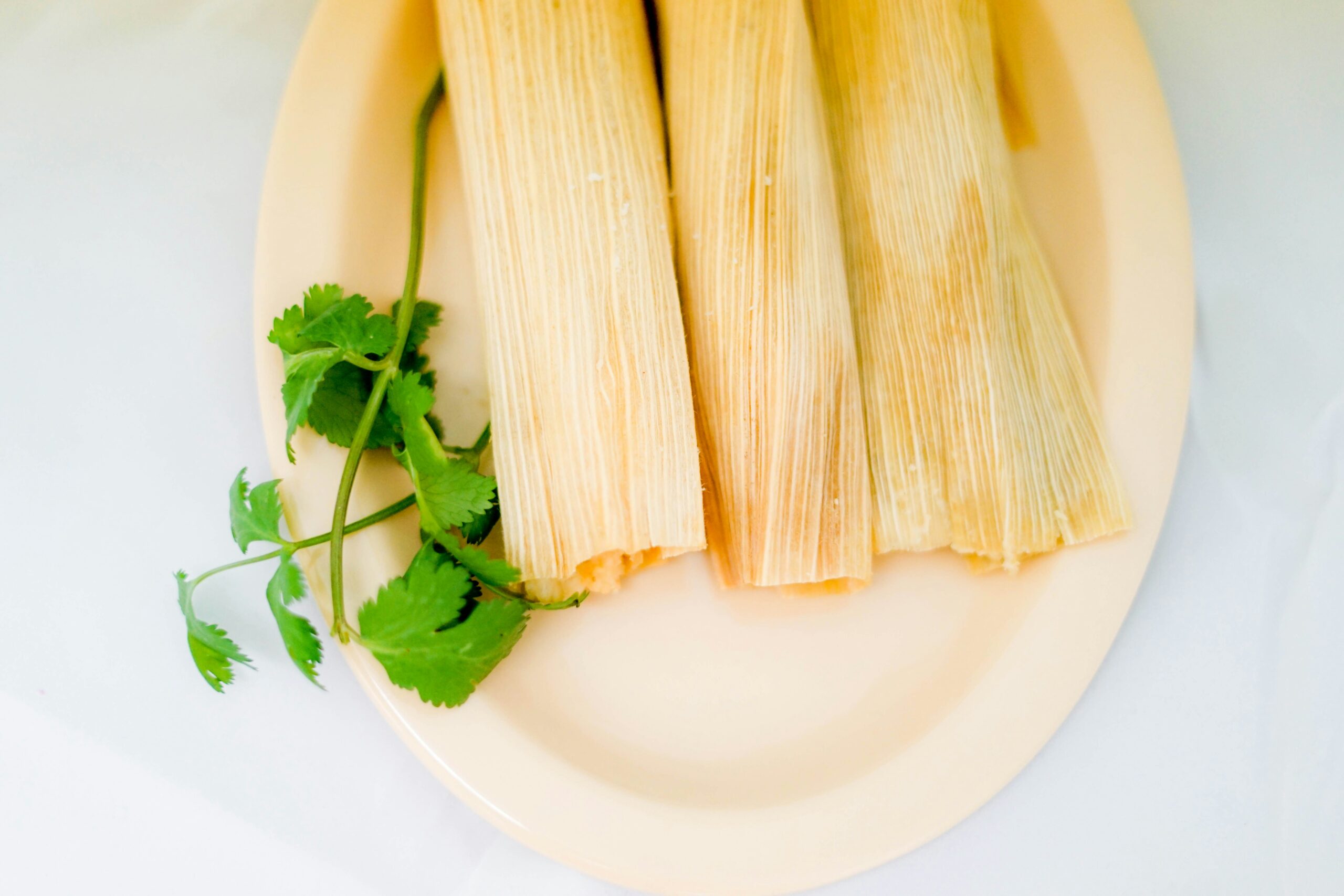
Few foods carry as much history, tradition, and cultural significance as the tamale. Wrapped in a corn husk or banana leaf and filled with flavorful ingredients, the tamale has delighted families for thousands of years. It has traveled across countries, adapted to regional tastes, and become a cherished dish that brings people together around the table.
Today, tamales appear at family celebrations, holiday gatherings, community festivals, and restaurant menus throughout North America. While every region has its own unique recipes and traditions, the heart of the tamale remains the same. It is a comforting, handmade dish that reflects generations of culinary knowledge and care.
At Don Pedro's Family Mexican Restaurant in Heber City, Utah, we love sharing authentic Mexican flavors with our guests. A delicious tamale is more than just a meal. It is a connection to centuries of history and a celebration of the traditions that continue to inspire Mexican cuisine today.
A tamale is a traditional dish made from masa, a dough created from specially prepared corn. The masa is spread onto a corn husk or banana leaf and filled with ingredients such as seasoned pork, chicken, beef, cheese, vegetables, beans, or chiles.
The wrapper is folded around the filling, and the tamale is steamed until the masa becomes light, tender, and fully cooked.
Although the corn husk or banana leaf is not eaten, it plays an important role during cooking. It helps the tamale retain moisture while adding subtle aroma and allowing the filling to cook evenly.
The finished result is warm, comforting, and packed with flavor in every bite.
The tamale has one of the oldest histories of any food still enjoyed today.
Historians believe tamales date back thousands of years to ancient civilizations throughout Mesoamerica, including the Maya, Aztec, Olmec, and Toltec cultures.
Corn served as one of the most important crops in these civilizations. It provided nourishment, supported communities, and held deep spiritual significance.
As people developed methods for preparing corn into masa, they discovered that wrapping the dough around fillings created a portable, satisfying meal.
Steaming the wrapped bundles allowed the ingredients to cook together while remaining easy to transport.
These early tamales became practical food for hunters, travelers, warriors, merchants, and laborers who needed meals that could be carried over long distances.
Even today, the tamale reflects that same balance of convenience and nourishment.
To fully appreciate the tamale, it helps to understand the importance of corn in Mexican history.
For thousands of years, corn served as far more than a staple crop. It became central to agriculture, daily life, religion, and cultural identity.
Ancient civilizations believed corn represented life itself. Stories passed through generations described humanity's connection to this remarkable plant.
Preparing masa required a special process known as nixtamalization.
Corn kernels were soaked and cooked in an alkaline solution before grinding them into dough.
This process improved flavor, texture, and nutritional value while making the corn easier to digest.
The resulting masa became the foundation for many traditional Mexican dishes, including tortillas, sopes, gorditas, and, of course, tamales.
Throughout history, tamales served many purposes beyond everyday meals.
Families prepared them for religious ceremonies, weddings, harvest celebrations, festivals, and holidays.
Because making tamales required time and teamwork, the preparation itself became a meaningful family tradition.
Parents, grandparents, children, relatives, and neighbors often gathered around the kitchen table to spread masa, prepare fillings, fold corn husks, and steam dozens of tamales together.
These gatherings created opportunities to share recipes, stories, and traditions from one generation to the next.
Even today, many families continue this practice during holidays, especially around Christmas, Día de los Muertos, and other important celebrations.
For many people, making tamales represents more than cooking. It represents family, heritage, and togetherness.
One reason tamales remain so fascinating is the incredible variety found throughout Mexico.
Every region has developed its own ingredients, cooking methods, and flavor profiles.
In central Mexico, pork tamales with red or green chile sauces remain popular.
Southern regions often wrap tamales in banana leaves instead of corn husks, creating larger portions with distinct aromas.
Along the Gulf Coast, seafood fillings appear in some local recipes.
Northern Mexico often features beef, while other areas incorporate cheese, vegetables, beans, or roasted peppers.
Sweet tamales also enjoy widespread popularity.
These versions may include cinnamon, raisins, fruit, pineapple, chocolate, or colorful masa that creates festive presentations during celebrations.
No matter where you travel, each community proudly prepares tamales that reflect local traditions and available ingredients.
As Mexican families settled throughout the United States and other countries, they brought cherished recipes with them.
Tamales quickly became popular across the Southwest and eventually spread nationwide.
Today, many restaurants proudly feature tamales as part of their menus while honoring traditional cooking techniques.
Communities have also introduced new interpretations inspired by regional ingredients and local tastes.
Although modern fillings continue to evolve, the essential preparation remains rooted in centuries of tradition.
That balance between history and creativity has helped the tamale remain one of the world's most beloved comfort foods.
Preparing tamales takes patience, skill, and attention to detail.
Everything begins with quality masa.
The dough should feel light and smooth while remaining easy to spread across the corn husk.
Fillings require careful seasoning to ensure every bite delivers balanced flavor.
Whether using slow-cooked pork, shredded chicken, beef, vegetables, or cheese, cooks often spend hours developing rich, satisfying fillings.
Once prepared, each tamale must be assembled by hand.
The masa is spread evenly across the wrapper.
The filling is placed in the center.
The wrapper is folded carefully to hold everything together during steaming.
After assembly, tamales steam for an extended period until the masa reaches the perfect texture.
The process requires care, but the results reward every step.
Few dishes encourage connection quite like tamales.
Making them often becomes a shared experience where everyone contributes.
Some family members prepare fillings.
Others spread masa.
Children help fold wrappers.
Grandparents pass along recipes that have remained in the family for generations.
These traditions transform cooking into something much larger than preparing dinner.
They create memories that last long after the meal ends.
That sense of togetherness explains why tamales remain deeply connected to holidays and family celebrations throughout Mexico and beyond.
A tamale stands beautifully on its own, but many diners enjoy pairing it with other classic Mexican dishes.
Spanish rice offers a flavorful complement that balances the rich masa.
Refried or whole beans add heartiness and texture.
Fresh salsa provides brightness and just the right amount of spice.
Guacamole contributes cool creaminess, while fresh pico de gallo adds vibrant color and freshness.
Many guests also enjoy enchiladas, tacos, or burritos alongside tamales when sharing a meal with family and friends.
These combinations allow everyone at the table to experience the incredible variety found within Mexican cuisine.
Although traditional recipes remain incredibly popular, chefs continue finding new ways to celebrate the tamale.
Some restaurants feature smoked meats, roasted vegetables, specialty cheeses, or regional sauces.
Others create vegetarian and vegan options that highlight seasonal produce and bold spices.
Sweet tamales continue evolving as well, with creative fillings featuring chocolate, berries, caramel, or tropical fruits.
Despite these innovations, the essence of the tamale remains unchanged.
Handmade masa, flavorful fillings, careful preparation, and generations of tradition continue defining this remarkable dish.
Modern recipes simply build upon a foundation that has endured for thousands of years.
Great tamales do not happen by accident.
Quality ingredients, proper techniques, and attention to detail all influence the final result.
Fresh masa creates a tender texture.
Well-seasoned fillings provide depth of flavor.
Proper steaming ensures the tamale cooks evenly without becoming dry.
Experienced cooks understand that every step contributes to the finished dish.
That commitment to craftsmanship explains why authentic tamales remain such a treasured part of Mexican cuisine.
Every bite reflects the care invested throughout the preparation process.
If learning about the history of the tamale has made you hungry, Don Pedro's Family Mexican Restaurant in Heber City, Utah, is the perfect place to experience this timeless favorite.
At Don Pedro's, we proudly prepare classic Mexican dishes inspired by generations of tradition. Our welcoming atmosphere, friendly service, and flavorful menu make every visit an opportunity to enjoy authentic cuisine with family and friends.
Whether you are ordering a delicious tamale for the first time or returning to enjoy a longtime favorite, you can appreciate the rich history and craftsmanship behind every serving. Pair your meal with traditional sides, explore other Mexican favorites on our menu, and discover why these recipes have remained beloved for centuries.
Food has a unique way of connecting people across generations, cultures, and communities. Few dishes demonstrate that better than the tamale. From its ancient beginnings in Mesoamerica to family kitchens and restaurant tables today, it continues to represent comfort, tradition, and celebration.
We invite you to visit Don Pedro's Family Mexican Restaurant and experience the flavors, hospitality, and heritage that make Mexican cuisine so memorable. Whether you stop by for lunch, dinner, or a special family gathering, we look forward to serving you a meal that honors the rich history behind every tamale.

© Don Pedro's Mexican Resturaunt | Policies

