Welcome to Don Pedro's Family Mexican Restaurant!


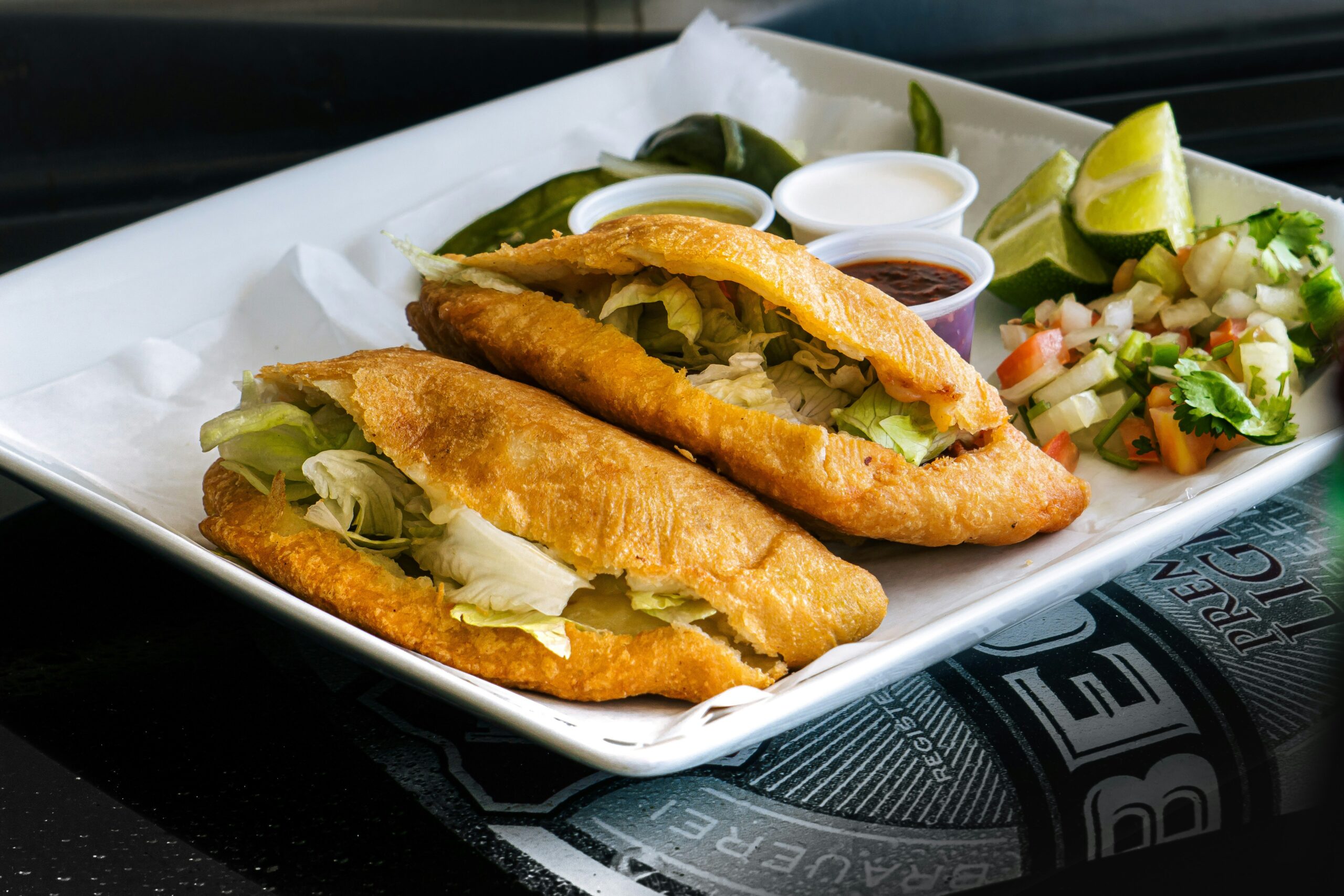
Few things are more satisfying than biting into a crispy chalupa filled with flavorful ingredients and topped with all the extras you love. The combination of textures makes every bite interesting. You get crunch from the shell, savory flavors from the filling, freshness from the toppings, and plenty of opportunities to make the dish your own.
Today, the chalupa has become a familiar favorite at Mexican restaurants throughout the United States. But where did this popular dish come from? What does the word "chalupa" actually mean? And how did a traditional Mexican food become a menu favorite for so many people?
At Don Pedro's Family Mexican Restaurant, we believe that enjoying authentic Mexican food becomes even more fun when you know a little about the history behind what is on your plate. The chalupa has a story that connects Mexican culinary traditions with the creativity and regional variety that make Mexican cuisine so interesting.
Let's take a closer look at the history of the chalupa and how this beloved dish has evolved over time.
Before getting into its history, it helps to understand what a traditional chalupa actually is.
The word "chalupa" comes from Spanish and refers to a small boat or canoe. That name makes more sense when you see the traditional shape of the dish. A traditional chalupa shell has a curved, boat-like shape that holds the ingredients inside.
Chalupas typically feature a fried masa shell filled or topped with ingredients such as meat, beans, cheese, lettuce, salsa, or other toppings. Recipes vary considerably depending on the region and the cook.
That variety is one of the most interesting things about the dish. When people talk about a chalupa, they may have very different versions in mind depending on where they learned about it.
The basic idea, however, remains easy to recognize. A crisp masa base provides a sturdy foundation for flavorful toppings, creating a satisfying combination of textures and flavors.
The chalupa has roots in Mexico, and its history connects closely with the long tradition of cooking with masa.
Masa comes from corn that has undergone nixtamalization, an ancient process that involves soaking and cooking corn in an alkaline solution before grinding it. Indigenous civilizations in Mesoamerica developed this technique centuries ago, and it became a foundation for many foods that remain important in Mexican cuisine today.
Tortillas, tamales, sopes, gorditas, and many other dishes rely on masa. The chalupa belongs to this larger family of foods made from corn dough.
Rather than viewing the chalupa as a dish with one exact inventor or one specific moment of creation, it makes more sense to see it as part of a culinary tradition that developed over generations.
Mexican cooks have long found creative ways to shape masa, cook it, and combine it with other ingredients. The chalupa represents one delicious example of that creativity.
One of the most fun parts of the chalupa's history is the meaning behind its name.
"Chalupa" traditionally refers to a small boat. In Mexico, the word has been associated with small boats used on waterways, particularly in central Mexico.
The shape of the traditional food resembles a little boat because the masa is formed with raised edges around the sides. Those edges create a space for fillings and toppings.
Food names often reflect the appearance of a dish, and the chalupa offers a great example. Its boat-like shape gives the name a visual connection that makes sense once you see a traditional version.
Of course, the modern restaurant versions that many Americans recognize may look different from the earliest forms of the dish. As recipes travel and evolve, their shapes and ingredients can change while the original name remains.
To understand the chalupa, you also need to understand the importance of corn in Mexican food.
Corn has played a central role in Mexican cuisine for thousands of years. Indigenous peoples cultivated and relied on corn as an important food source, and they developed sophisticated methods for preparing it.
Masa allowed cooks to transform corn into countless different foods. The dough could be shaped into tortillas, wrapped around fillings, formed into thicker bases, or used to create dishes with unique textures.
That versatility helped masa become one of the defining ingredients of Mexican cuisine.
The chalupa takes advantage of that versatility. Cooks can shape the masa into a small base, fry it until crisp, and then add a wide range of toppings. The result combines the ancient tradition of cooking with corn masa with the creativity of individual cooks.
Like many traditional foods, chalupas have changed as they have traveled.
Different regions of Mexico developed their own cooking traditions, and local ingredients naturally influenced the way people prepared food. A chalupa served in one area might have different toppings, fillings, or preparation methods from a chalupa found somewhere else.
As Mexican cuisine spread beyond Mexico, cooks and restaurants adapted traditional dishes to suit local tastes and available ingredients.
This evolution happens with almost every type of cuisine. Recipes move from one kitchen to another, and each cook adds a little something of their own.
That is why you can find significant differences between traditional Mexican chalupas and versions served at Mexican restaurants in the United States.
Neither version tells the entire story. Instead, each represents a different chapter in the continuing history of the dish.
When many people in the United States hear the word chalupa, they picture a crisp shell loaded with seasoned meat, beans, cheese, lettuce, tomatoes, sour cream, and other toppings.
That style has become extremely recognizable.
Traditional Mexican chalupas can look quite different. In some regions, cooks prepare small fried masa shells and top them with simple combinations of ingredients. Salsa, cheese, shredded meat, beans, or vegetables may appear depending on the regional tradition.
The emphasis often stays on the masa and the toppings rather than creating one standardized combination.
This difference does not make one version better than the other. It simply demonstrates how food changes as it moves between cultures and communities.
A dish can maintain its connection to its roots while taking on new forms. That process helps explain why Mexican food remains so diverse and exciting.
It is easy to understand why chalupas caught on with restaurant diners.
First, they offer texture. The crisp shell contrasts with the softer ingredients on top.
Second, they offer variety. You can combine meat, beans, cheese, vegetables, salsa, and other toppings to create a satisfying meal.
Third, they are approachable. You do not need to know anything about Mexican culinary history to appreciate a crispy shell filled with delicious ingredients.
That accessibility helped the chalupa become a popular menu item far beyond Mexico.
People enjoy foods that combine familiar ingredients in an interesting way, and the chalupa does exactly that.
Mexican cuisine has never been about one rigid set of recipes. Instead, it reflects regional ingredients, family traditions, cultural history, and generations of creativity.
The chalupa fits naturally into that tradition.
Its foundation comes from one of the oldest and most important ingredients in Mexican cooking: corn. Its shape reflects the meaning of its name. Its toppings can vary according to regional and family preferences.
That flexibility makes the chalupa more than just a crispy dish. It represents the way Mexican food evolves while maintaining connections to its history.
When you order one today, you are enjoying a modern version of a food connected to a much older culinary tradition.
One reason the chalupa remains such a popular choice is its versatility.
Depending on the restaurant and recipe, you might find seasoned beef, chicken, pork, beans, cheese, lettuce, tomatoes, salsa, onions, sour cream, or other toppings.
Some versions keep things simple and let the masa and one or two toppings take center stage. Other versions pile on several ingredients for a heartier meal.
The combination of crispy masa with savory and fresh toppings creates the contrast that makes the dish so enjoyable.
And because the ingredients work together rather than relying on one particular topping, cooks can create different interpretations while keeping the dish recognizable.
Food history can sometimes feel like something that belongs in a textbook, but dishes like the chalupa make history much easier to appreciate.
Think about what is happening when you sit down to enjoy one. Corn connects the dish to ancient agricultural traditions. Masa connects it to centuries of Mexican cooking techniques. The boat-like shape connects it to the meaning of the word chalupa. The toppings reflect generations of culinary creativity.
That is a lot of history packed into one meal.
The best part is that food history does not stop with the past. Every restaurant, cook, and family that prepares a traditional dish adds another small piece to its continuing story.
At Don Pedro's Family Mexican Restaurant, we love bringing people together over flavorful food and welcoming them to experience the tastes that make Mexican cuisine so special.
A chalupa offers a delicious introduction to the combination of crispy masa, savory fillings, fresh toppings, and traditional Mexican flavors. Whether you already consider yourself a chalupa fan or you are trying one for the first time, there is plenty to appreciate.
The history of the chalupa reminds us that some of the best foods have stories that stretch far beyond a restaurant menu. They carry traditions from one generation to the next, change as they travel, and continue to bring people together.
That is one of the things we love about authentic Mexican food. Every dish has the potential to connect you with a tradition while giving you something delicious to enjoy right now.
So the next time you are craving a crispy, flavorful chalupa, come hungry and bring your appetite for a little history, too. At Don Pedro's Family Mexican Restaurant in Heber City, you can enjoy a meal while celebrating the rich culinary traditions that helped make Mexican food one of the world's most beloved cuisines.

© Don Pedro's Mexican Resturaunt | Policies

