Welcome to Don Pedro's Family Mexican Restaurant!


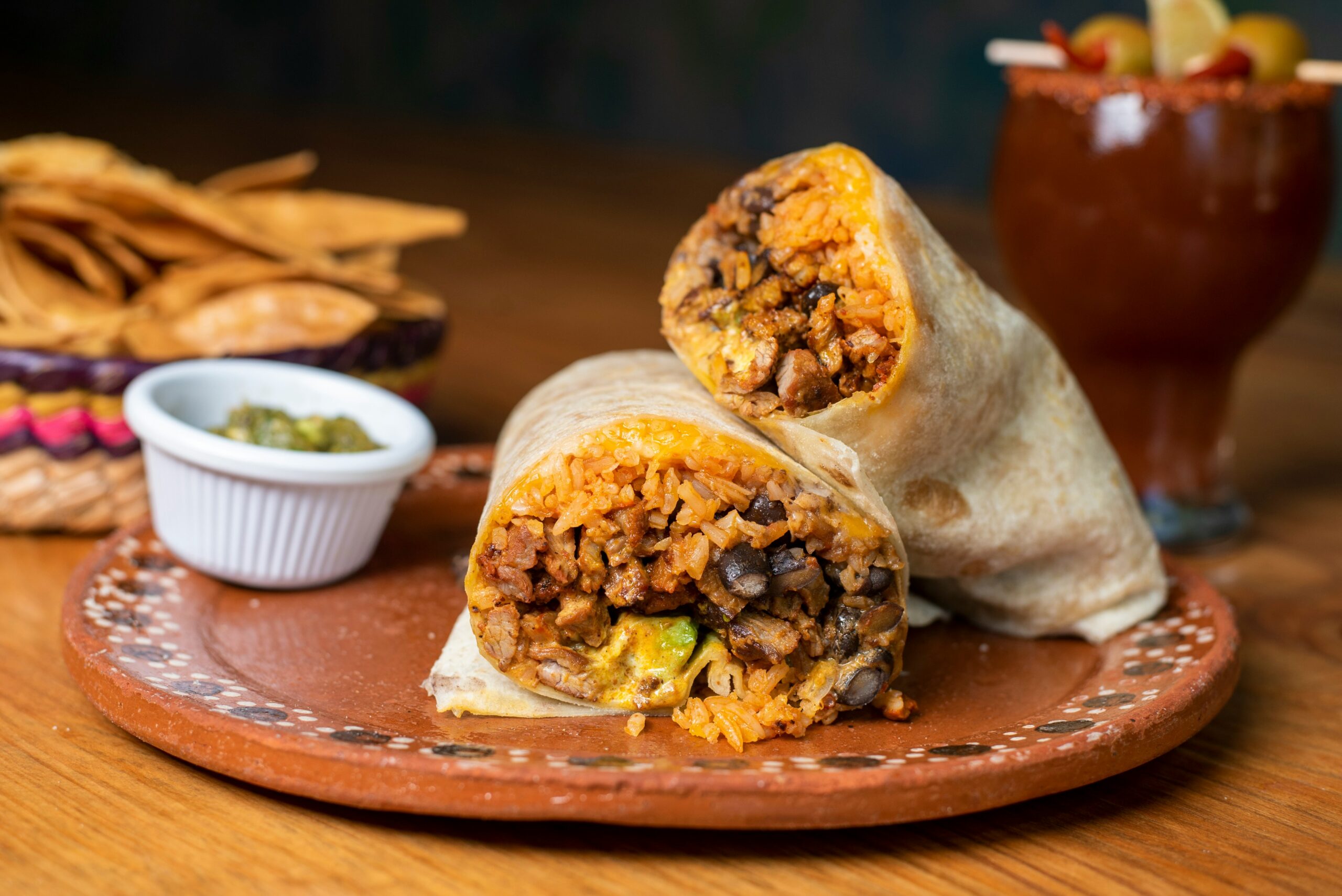
When people think about Mexican food, three dishes almost always come to mind right away: tacos, enchiladas, and burritos. They show up on nearly every menu, and for good reason. They are flavorful, comforting, and easy to love. But behind each of these dishes is a rich history that goes back much further than most people realize.
These are not just popular menu items. They are the result of centuries of tradition, cultural blending, and everyday innovation. Each dish tells a story about how Mexican food has evolved over time while still staying connected to its roots.
Let’s take a closer look at the history of tacos, enchiladas, and burritos, and see how these staples became some of the most recognizable dishes in Mexican cuisine. Along the way, you will start to see how restaurants like Don Pedro's Mexican Restaurant continue to carry that tradition forward.
Tacos might be one of the simplest foods you can eat, but they have one of the most interesting histories in all of Mexican food.
The story of tacos starts with the tortilla. As you already know, tortillas have been part of Mexican food for thousands of years. Ancient civilizations like the Aztecs and Maya used corn tortillas as a base for meals, often placing small amounts of food on top or inside them.
These early versions of tacos were not called tacos yet, but they worked the same way. People used tortillas to hold and eat food without utensils.
The word "taco" itself likely appeared much later. Some historians believe it came from silver miners in Mexico during the 18th century. These workers needed food that was easy to carry and quick to eat. They filled tortillas with simple ingredients like beans or meat and took them to work.
Over time, tacos became more than just a practical meal. Different regions of Mexico began creating their own versions based on local ingredients and traditions.
For example:
Tacos also became a central part of street food culture. Vendors could prepare them quickly, serve them fresh, and offer a wide variety of flavors.
Tacos remain popular because they are flexible and customizable. You can keep them simple or load them with toppings. You can make them mild or spicy. They fit almost any appetite or preference.
More importantly, tacos reflect the heart of Mexican food. They are simple, flavorful, and meant to be enjoyed in a relaxed, social setting.
While tacos focus on simplicity, enchiladas bring a different experience. They highlight sauces, layering, and deeper flavors.
Enchiladas date back to ancient Mexico as well. Long before Spanish influence, people were already dipping tortillas in chili sauces and eating them with fillings.
The name "enchilada" comes from the Spanish word enchilar, which means "to add chili." This describes the core of the dish. Tortillas are coated in chili-based sauces that bring both flavor and color.
These early enchiladas were much simpler than what we see today. They often included basic fillings and relied heavily on the flavor of the sauce.
When the Spanish arrived, they introduced new ingredients like cheese, meat, and dairy products. Mexican cooks began incorporating these into traditional dishes.
As a result, enchiladas became more complex. They now included:
Different regions began developing their own styles of enchiladas, each with its own sauce and preparation method.
Today, enchiladas come in many varieties:
Each variation reflects a different part of Mexican food history.
Enchiladas show how Mexican food evolved through layering and technique. They are not just about ingredients; they are about how those ingredients come together.
Enchiladas also highlight the importance of sauce in Mexican cuisine. A good sauce can define an entire dish, and enchiladas are a perfect example of that.
Burritos feel like a staple everywhere today, but their history is a bit more recent compared to tacos and enchiladas.
Burritos are most closely associated with northern Mexico, where flour tortillas are more common. Unlike corn tortillas, flour tortillas are larger and more flexible, which makes them perfect for wrapping fillings.
The word "burrito" means "little donkey" in Spanish. There are a few theories about how the name came about. One popular idea is that burritos were named after the packs carried by donkeys because the wrapped tortillas looked similar.
Another theory suggests that a vendor used a donkey to transport and sell his food, which led people to associate the dish with the animal.
Originally, burritos were simple. They often contained beans, meat, and maybe a few additional ingredients. They were easy to carry and made for a filling meal.
As burritos moved into the United States, especially in areas like California and Texas, they grew in size and variety. New ingredients were added, including:
This led to the larger, more loaded burritos that many people recognize today.
Even though burritos have evolved, they still reflect their roots. They are practical, filling, and built around simple ingredients wrapped in a tortilla.
They also show how Mexican food adapts over time. While the core idea remains the same, the details continue to change based on location and preference.
When you look at tacos, enchiladas, and burritos together, you start to see a pattern.
Each dish:
Tacos highlight simplicity and portability.
Enchiladas focus on sauce and layering.
Burritos show adaptation and growth.
Together, they tell the story of Mexican food as a whole.
Mexican food is not static. It changes, grows, and adapts while still holding onto its history.
At Don Pedro's Mexican Restaurant, these dishes are more than menu items. They are part of a larger tradition that values flavor, authenticity, and connection.
When you order tacos, enchiladas, or burritos, you are not just choosing a meal. You are choosing dishes that have been shaped by generations of cooking and culture.
The restaurant focuses on:
This approach reflects the same values found throughout the history of Mexican food.
Meals are meant to be shared. They are meant to be enjoyed slowly and to bring people together.
That is exactly what you will find at Don Pedro's Mexican Restaurant.
Understanding the history behind these dishes adds something extra to the experience.
A taco becomes more than a quick bite.
Enchiladas become more than a plate with sauce.
A burrito becomes more than a wrapped tortilla.
Each one carries a story.
When you know that story, you appreciate the food in a different way. You see the tradition, the creativity, and the culture behind every bite.
The history of Mexican food is rich, layered, and constantly evolving. Tacos, enchiladas, and burritos each represent a different part of that story.
They started as simple meals built from necessity. Over time, they grew into dishes that people around the world now enjoy every day.
And even today, they continue to evolve while staying connected to their roots.
So the next time you sit down to enjoy Mexican food, take a moment to think about where it came from. Whether you are enjoying tacos, enchiladas, or burritos at Don Pedro's Mexican Restaurant, you are not just eating a meal.
You are experiencing history, culture, and tradition all in one plate.

© Don Pedro's Mexican Resturaunt | Policies

