Welcome to Don Pedro's Family Mexican Restaurant!


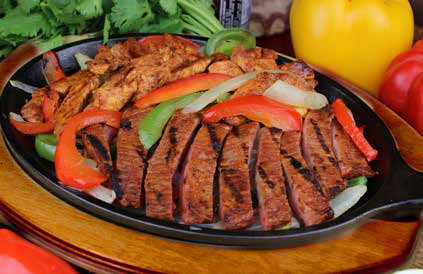
When you hear sizzling meat hit a hot skillet, you probably think of fajitas. They arrive at the table hot, fresh, and full of flavor. They turn heads, spark conversation, and make the whole meal feel like an experience. But while fajitas feel like a modern restaurant favorite, they actually carry a rich history rooted in hard work, tradition, and resourcefulness.
Like many staples of Mexican food, this dish began as a simple solution. Over time, they evolved into one of the most recognizable and beloved dishes served today. From ranch lands in northern Mexico to restaurant tables across the country, fajitas tell a story worth knowing.
Let’s take a closer look at where fajitas came from, how they developed, and why they still play such an important role in Mexican food today, especially at Don Pedro's Mexican Restaurant.
The history of fajitas starts in northern Mexico and southern Texas, in areas where cattle ranching shaped everyday life. Ranch workers, also known as vaqueros, handled the tough work of herding and processing cattle. As part of their pay, they often received less desirable cuts of meat.
One of those cuts was skirt steak.
At the time, skirt steak was not considered a premium cut. It was tougher than other parts of the animal and required the right preparation to make it enjoyable. However, the workers who received it knew exactly how to turn it into something delicious.
They marinated the meat to tenderize it and add flavor. Then they grilled it over an open flame. Once cooked, they sliced it into thin strips and served it with tortillas. This simple preparation became the foundation of what we now call fajitas.
The word "fajita" comes from the Spanish word faja, which means "strip" or "belt," referring to the way the meat is cut.
At its core, fajitas reflect one of the most important themes in the history of Mexican food: using simple ingredients in thoughtful ways.
Early fajita dishes included:
There was nothing complicated about the dish. Instead, it relied on technique and flavor. The marinade softened the meat, while the grill added a smoky taste that made each bite satisfying.
Because the dish was easy to prepare and share, it quickly became popular among families and communities.
Grilling has always played a major role in Mexican food, especially in northern regions. Open flame cooking brings out bold, natural flavors without needing heavy sauces or complex preparation.
Fajitas highlight this perfectly.
When the meat hits the grill, it develops a charred exterior while staying juicy inside. This balance of texture and flavor defines the dish. Over time, cooks began adding grilled vegetables like onions and bell peppers, which complemented the meat and added color to the plate.
That combination of grilled meat and vegetables became the classic fajita presentation we know today.
For many years, fajitas remained a regional dish. They were popular in homes and local gatherings, but they had not yet reached widespread recognition.
That began to change in the mid-1900s.
Restaurants in Texas started adding fajitas to their menus, often highlighting the sizzling presentation. Serving the dish on a hot skillet created a sensory experience. Guests could hear, smell, and see the food before taking a bite.
This approach turned fajitas into more than just a meal. It made them an event.
As a result, they quickly gained popularity across the United States. From there, they spread even further, becoming a staple in Mexican restaurants everywhere.
As fajitas grew in popularity, the dish began to evolve. While skirt steak remains the traditional choice, many variations now exist.
Today, you will often find them made with:
In addition to the protein, the toppings and sides have expanded as well. Common additions include:
Despite these changes, the core of the dish remains the same. Fajitas still focus on grilled ingredients, bold flavor, and the ability to customize each bite.
Fajitas capture several key elements that define Mexican food.
First, they highlight fresh ingredients. The dish relies on quality meat, crisp vegetables, and warm tortillas.
Second, they emphasize sharing. Fajitas are often served family-style, allowing everyone at the table to build their own plate.
Third, they show adaptability. While the original recipe was simple, fajitas have grown to include many variations without losing their identity.
Because of this, fajitas continue to appeal to a wide range of people. They offer something familiar while still feeling exciting.
One of the reasons fajitas remain so popular is the experience they create.
When a plate of fajitas arrives at the table, it does more than provide food. It creates a moment. The sizzling sound draws attention. The aroma fills the air. The presentation invites people to gather and engage.
Then comes the best part. Everyone builds their own meal.
You can add as much or as little as you want. You can mix flavors, try different combinations, and make each bite your own. This interactive element sets fajitas apart from many other dishes.
It turns a simple meal into something memorable.
At Don Pedro's Mexican Restaurant, fajitas are more than just a menu item. They are a reflection of the tradition and history behind Mexican food.
From the first sizzle to the final bite, the focus stays on quality and flavor. The ingredients are fresh, the preparation is thoughtful, and the presentation captures everything people love about fajitas.
More importantly, the restaurant creates an environment where food brings people together.
Whether you are dining with family, meeting friends, or celebrating a special occasion, fajitas fit the moment. They encourage sharing, conversation, and connection.
That is exactly what Mexican food has always been about.
Even today, fajitas continue to grow and adapt. New variations appear, and different regions add their own twist. However, the heart of the dish remains unchanged.
It still starts with simple ingredients.
It still relies on grilling and flavor.
It still brings people together.
That consistency is what keeps fajitas relevant.
Understanding the history of fajitas adds depth to the experience of eating them.
When you know where the dish came from, you start to see it differently. You recognize the resourcefulness of the ranch workers who first prepared it. You appreciate the simplicity that defines it. You notice the way it has grown without losing its roots.
That perspective turns a familiar meal into something more meaningful.
Fajitas may feel like a modern favorite, but their story goes back generations. From ranch lands in northern Mexico to restaurant tables across the country, they have come a long way.
They represent the best parts of Mexican food. They are simple, flavorful, and built for sharing.
And when you enjoy fajitas at Don Pedro's Mexican Restaurant, you are not just enjoying a meal. You are experiencing a piece of history that continues to evolve with every plate served.
Because in the end, great Mexican food is not just about what you eat. It is about where it came from, how it is made, and who you share it with.

© Don Pedro's Mexican Resturaunt | Policies

