Welcome to Don Pedro's Family Mexican Restaurant!


There are some dishes that tell a story with every bite. Chile Verde is one of those dishes. With tender pieces of meat simmered in a savory green chile sauce, this classic has become a favorite for people who love rich, comforting Mexican food. It feels familiar and homey, yet its history reaches back through generations of cooking traditions.
At Don Pedro's Family Mexican Restaurant, we love sharing authentic Mexican food that brings people together around the table. Chile Verde is a perfect example of a dish that does just that. It combines simple ingredients, traditional cooking methods, and bold flavors into a meal that feels both satisfying and deeply connected to Mexican culinary traditions.
So, where did Chile Verde come from? How did this flavorful dish become so popular? And what makes a good bowl of Chile Verde so special? Let's take a closer look at the history behind this beloved dish.
The name Chile Verde translates simply to "green chile." While the name might sound straightforward, it describes an entire style of cooking rather than one single recipe.
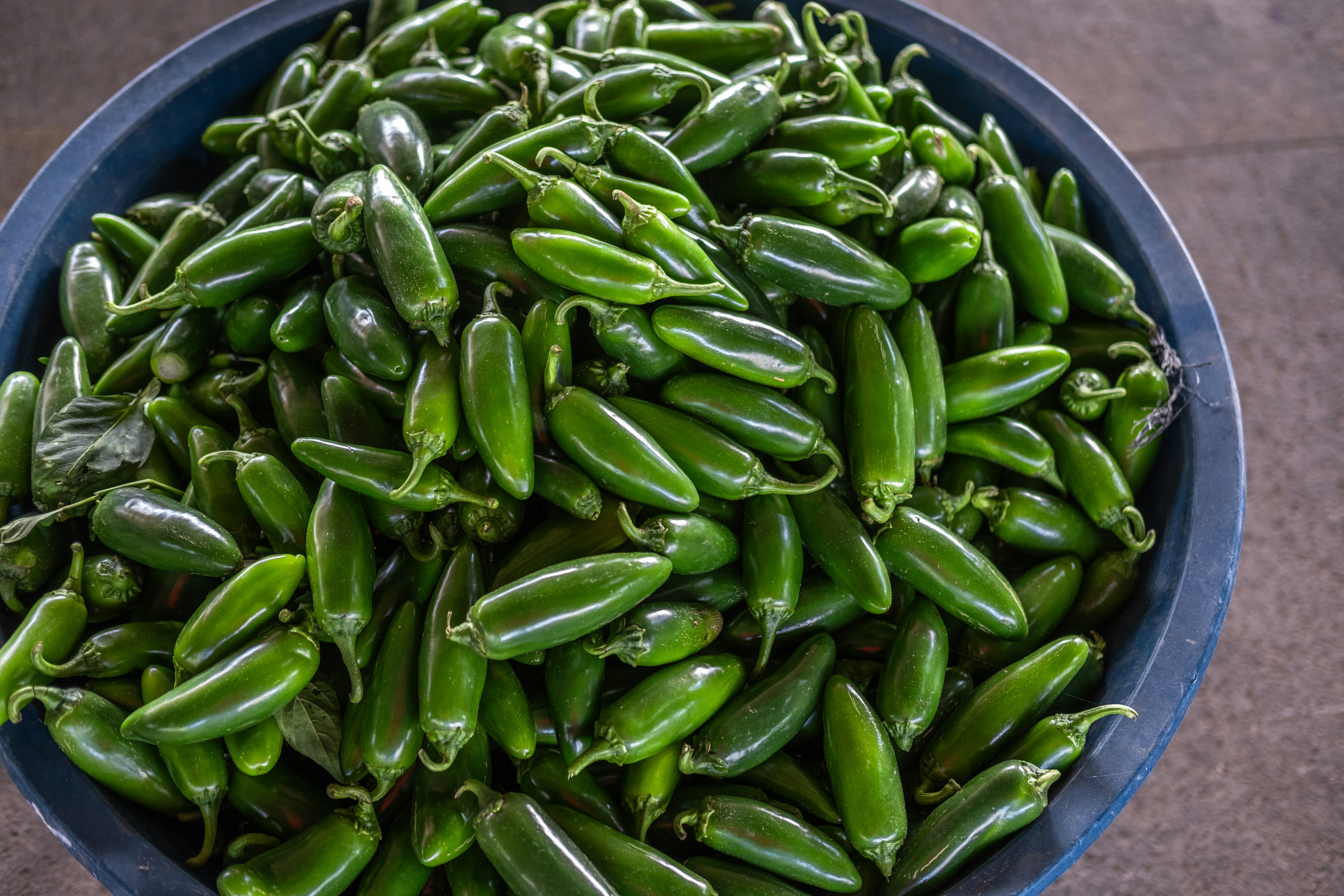
Chile Verde typically features chunks of meat, often pork, cooked slowly in a sauce made with green chiles and other ingredients. Depending on the recipe and region, the sauce may include tomatillos, onions, garlic, cilantro, jalapeños, serranos, or other peppers.
That variety is part of what makes Chile Verde so interesting. Families and restaurants can prepare the dish in their own way while maintaining the basic character that makes it recognizable.
The result usually has a balance of savory, tangy, spicy, and fresh flavors. Slow cooking allows the meat to become tender while giving it plenty of time to absorb the flavors of the green chile sauce.
Chile peppers have played an important role in Mexican cooking for thousands of years. Long before modern Mexican cuisine developed into the dishes many of us know today, Indigenous communities throughout Mexico cultivated and cooked with chiles.
Peppers provided flavor, heat, and versatility. Cooks could roast them, dry them, grind them into sauces, or combine them with other ingredients to create dishes with incredible depth.
Tomatillos also have ancient roots in Mexico. These small green fruits have been used in Mexican cooking for centuries and provide a distinctive tart flavor. When cooks combine tomatillos with green chiles, onions, garlic, and herbs, they create a bright and flavorful sauce that works beautifully with meat.
Chile Verde reflects this long tradition of combining fresh ingredients to create flavorful sauces. While today's versions may vary considerably from older recipes, the basic idea remains connected to generations of Mexican cooking.
If you order Chile Verde today, you will often find tender pork at the center of the dish. That ingredient has an interesting place in Mexican culinary history.
Pork was introduced to Mexico by the Spanish during the colonial period. Before that, Indigenous communities relied on native meats and plant-based foods as important sources of nourishment.
As Spanish ingredients and cooking practices blended with Indigenous Mexican traditions, cooks developed new combinations. Pork became an important ingredient in many Mexican dishes, and cooks paired it with ingredients that had long been part of local cuisine.
Chile Verde represents this blending of culinary traditions. Pork provides richness and substance, while green chiles and tomatillos bring brightness and acidity. Together, they create a dish that feels hearty without becoming overly heavy.
Of course, you cannot have Chile Verde without green chiles. They give the dish much of its personality.
Different peppers can create very different results. Some provide a gentle warmth, while others bring a more noticeable kick. The type of chile, how it gets prepared, and how much a cook uses can all influence the finished dish.
Roasting or cooking the peppers can also change their flavor. Heat can soften their texture and bring out deeper, more developed flavors. When those peppers become part of a slow-cooked sauce, they can transform an ordinary combination of ingredients into something memorable.
This flexibility also explains why Chile Verde can taste different from one kitchen to another. There is no single universal recipe. Instead, cooks develop their own approaches based on family traditions, regional influences, available ingredients, and personal preferences.
Green chiles provide the heat and chile flavor, but tomatillos often provide another important component of the sauce.
Tomatillos have a naturally tart flavor that helps balance the richness of the meat. Their bright taste gives Chile Verde its distinctive character and helps separate it from red chile-based dishes.
Cooks often combine tomatillos with chiles, garlic, onions, and herbs before turning them into a sauce. The exact process varies, but the goal remains the same: create a flavorful base that can surround the meat and develop as everything cooks together.
The combination of tomatillo and chile creates a flavor that feels fresh and hearty at the same time. That contrast helps explain why Chile Verde has remained so popular.
Mexico has an incredibly diverse food culture. Recipes can change dramatically from one region to another, and Chile Verde is no exception.
Northern Mexican cooking has its own traditions, as do the central and southern regions of the country. Even within individual states and communities, families may prepare familiar dishes differently.
That means it can be difficult to point to one exact location and say, "This is where Chile Verde was invented." Food traditions rarely develop that neatly. Recipes evolve over time as people share ingredients, techniques, and ideas.
Chile Verde is better understood as part of a broader Mexican tradition of cooking meat with flavorful chile-based sauces. Different communities have put their own spin on the concept, allowing the dish to evolve while keeping its essential character.
For generations, dishes like Chile Verde have been prepared in family kitchens. A recipe might begin with a grandmother's instructions, get adjusted by a parent, and eventually become something a family cooks for its own children.
Those recipes often rely on more than written measurements. Experienced cooks learn to recognize the right texture, smell, color, and flavor. They might add a little more chile or garlic based on instinct rather than following an exact formula.
As Mexican restaurants became an important part of dining culture, these family-style dishes found their way onto restaurant menus. Chile Verde became a natural choice because it offers the kind of comforting, satisfying flavor people often associate with traditional home cooking.
Restaurants also helped introduce regional Mexican dishes to new audiences. People who had never encountered Chile Verde before could discover it in a restaurant and quickly develop an appreciation for its combination of tender meat and flavorful green chile sauce.
One of the secrets behind great Chile Verde is patience.
The dish benefits from allowing the ingredients to cook together so their flavors can develop. Instead of simply combining meat and sauce and serving them immediately, cooks give everything time to mingle.
As the meat cooks, it becomes tender and absorbs the flavors around it. The chile sauce also develops greater depth as the ingredients spend time together.
That slow-cooked quality gives Chile Verde its comforting character. It is the kind of food that feels substantial and satisfying, making it especially enjoyable when you want a meal that tastes like someone took the time to prepare it properly.
Today, Chile Verde has become a familiar favorite far beyond the communities where similar dishes have been prepared for generations.
You can find different versions throughout Mexican restaurants in the United States and beyond. Some recipes emphasize heat, while others focus more on the savory flavors of the meat and roasted vegetables. Some sauces have a smoother consistency, while others retain pieces of peppers, tomatillos, and onions.
Despite those differences, the heart of the dish remains the same. Chile Verde celebrates the flavors of green chiles and the traditions of Mexican cooking.
It also demonstrates something important about food history. Traditional dishes do not remain frozen in time. They travel. Families move. Cooks adapt recipes. Ingredients become available in new places. Restaurants introduce dishes to new customers. Over time, familiar recipes develop new expressions while continuing to honor their roots.
Part of the appeal of Chile Verde comes from its balance.
The meat brings richness and tenderness. Green chiles add warmth and flavor. Tomatillos provide brightness and acidity. Garlic and onions contribute savory depth, while herbs can add freshness.
None of these ingredients needs to overpower the others. Instead, they work together.
That balance makes Chile Verde incredibly versatile. You can enjoy it as a hearty entrée, pair it with rice and beans, or use it as part of a larger Mexican meal with family and friends.
For many people, though, the best part is simply sitting down with a warm plate of Chile Verde and enjoying the flavors.
Food history becomes much more meaningful when you get to experience it for yourself. A dish can have centuries of culinary tradition behind it, but its story continues every time someone sits down to enjoy it.
At Don Pedro's Family Mexican Restaurant, we are proud to serve food inspired by the flavors and traditions people love about Mexican cuisine. Our goal is to create meals that bring comfort, flavor, and a sense of connection to the table.
If you have never tried Chile Verde, it is a great dish to add to your next meal. If you already love it, you probably understand why this classic continues to appear on Mexican restaurant menus and family tables.
The history of Chile Verde is ultimately a story about the way food brings traditions forward. Indigenous ingredients, Spanish influences, regional cooking styles, family recipes, and generations of cooks have all helped shape Mexican cuisine into the rich and diverse tradition we know today.
And that story continues with every delicious bite.
The next time you enjoy Chile Verde, take a moment to appreciate what is behind the bowl. You are not simply enjoying pork and green chile sauce. You are experiencing a dish shaped by history, culture, family, and a love of good food.
That is what makes authentic Mexican food so special. It does more than fill you up. It gives you a chance to taste a little bit of the story behind the cuisine.

© Don Pedro's Mexican Resturaunt | Policies

