Welcome to Don Pedro's Family Mexican Restaurant!


Mexican food is loved all over the world, and for good reason. From tacos and enchiladas to tamales and churros, the flavors of Mexican food are bold, comforting, and incredibly satisfying. But what many people don’t realize is that every bite of Mexican food carries a rich history behind it. The dishes we enjoy today are the result of centuries of culture, tradition, and culinary creativity.
Mexican food didn’t appear overnight. It developed over thousands of years as different cultures contributed ingredients, cooking methods, and traditions. Today, Mexican cuisine is recognized globally as one of the most flavorful and diverse food traditions in the world.
In fact, the cultural importance of Mexican food is so significant that Mexican cuisine was recognized by UNESCO as part of the world’s Intangible Cultural Heritage. That means the traditions behind these foods are considered an important part of human history and culture.
Let’s take a journey through the history of Mexican food and explore how some of the most famous dishes came to be.
The story of Mexican food begins thousands of years ago with the ancient civilizations of Mesoamerica, including the Maya and the Aztecs. These early cultures laid the foundation for the cuisine we recognize today.
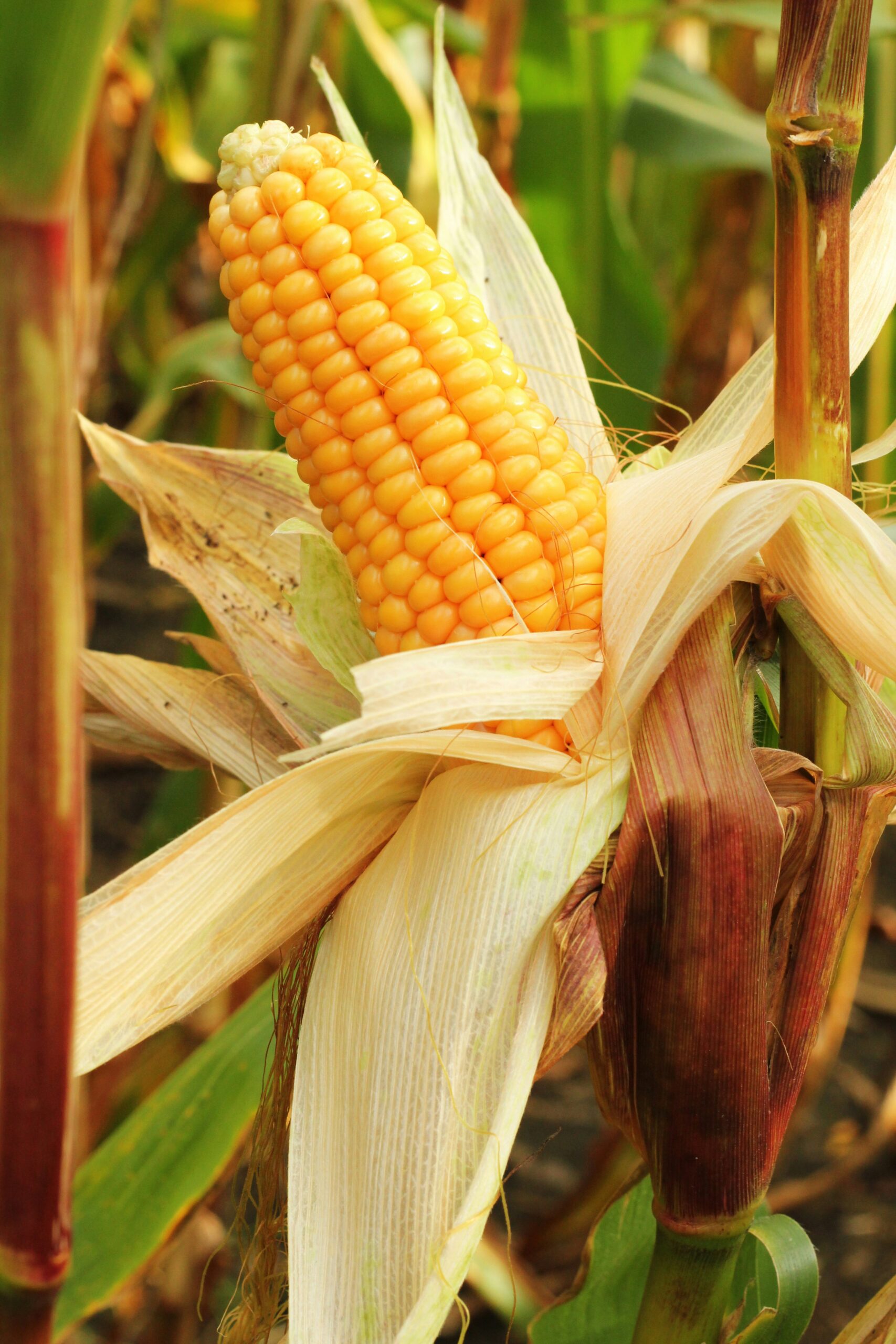
At the center of their diet was corn, also known as maize. Corn was more than just food, it was sacred. Many indigenous creation stories even describe humans as being made from corn. Because of its importance, people developed methods like nixtamalization, a process that treats corn with lime to improve its nutrition and make it easier to grind.
This process is still used today to create masa, the dough used for tortillas, tamales, and many other Mexican dishes.
Other staple ingredients from this time included:
These foods formed the backbone of early Mexican cooking. Meals were simple but flavorful, often consisting of corn tortillas filled with vegetables, beans, or small amounts of meat.
Even today, you can see the influence of these ancient ingredients in almost every Mexican dish.
In the 1500s, Spanish explorers arrived in Mexico and introduced new ingredients and cooking styles that would dramatically influence Mexican food.
The Spanish brought foods that were not native to the Americas, including:
These ingredients blended with the indigenous foods already used in Mexico, creating entirely new flavors and recipes. This fusion of indigenous and Spanish culinary traditions is what shaped the Mexican cuisine we know today.
For example, many dishes that include cheese, meats like carnitas, or creamy sauces would not exist without the Spanish influence. Over time, Mexican cooks adapted these ingredients and made them their own, creating a cuisine that was both deeply traditional and constantly evolving.
Mexican food is full of iconic dishes, each with its own story and regional variations. Let’s look at the history behind some of the most beloved Mexican foods.
Few foods are more closely associated with Mexican cuisine than the taco. Today, tacos come in countless varieties, but their origins are surprisingly practical.
Historians believe tacos date back to the silver mines of Mexico in the 18th century. Workers needed a simple, portable meal they could eat quickly. Corn tortillas were perfect for this purpose because they could hold meats, beans, or vegetables and be eaten by hand.
Over time, tacos became a staple of Mexican street food culture. Different regions developed their own styles, such as:
What started as a simple worker’s meal has become one of the most popular foods in the world.
Tamales have one of the longest histories in Mexican food. Archaeologists believe they existed as far back as 8000–5000 BC.
Tamales were originally created as portable food for warriors, hunters, and travelers. Masa dough was filled with meats, vegetables, or chili sauces, then wrapped in corn husks or banana leaves and steamed.
They were easy to carry and stayed fresh for long periods of time, making them ideal for journeys or large gatherings.
Even today, tamales remain a food deeply tied to tradition and celebration. In many Mexican families, tamales are made together during holidays and special occasions, with multiple generations working side by side to prepare large batches.
Enchiladas are another dish with ancient origins. The word “enchilada” comes from the Spanish word enchilar, meaning “to season with chili.”
Before Spanish colonization, people in Mexico were already eating corn tortillas dipped in chili sauce. The dish evolved over time to include fillings like meat, beans, cheese, or vegetables.
Today there are many variations of enchiladas depending on the region, including:
Each version reflects the creativity and regional diversity of Mexican cooking.
One of the most complex and fascinating dishes in Mexican cuisine is mole. Mole is a rich sauce made with dozens of ingredients, often including chili peppers, spices, nuts, seeds, chocolate, and more.
The history of mole is tied closely to Mexican celebrations and religious traditions. One famous legend says mole was created in the city of Puebla when nuns rushed to prepare a meal for an important visitor. They combined many ingredients they had on hand and created a rich, flavorful sauce served over turkey.
While the exact origin story may vary, mole represents the deep culinary artistry of Mexican food. Preparing traditional mole can take hours, or even days, because of the number of ingredients involved.
When it comes to dessert, churros are a favorite around the world. These fried dough pastries coated in cinnamon sugar are crispy on the outside and soft on the inside.
Churros are believed to have been introduced by Spanish shepherds, who needed an easy fried bread they could cook outdoors. When the recipe made its way to Mexico, it quickly became a popular treat.
Today churros are often served with chocolate dipping sauce or filled with sweet cream or caramel.
Understanding the history of Mexican food helps explain why the cuisine is so meaningful to the people who prepare it. Recipes are often passed down through generations, and many dishes are connected to holidays, celebrations, and family traditions.
Food isn’t just about flavor, it’s about heritage.
When you eat authentic Mexican food, you’re experiencing the result of centuries of cooking knowledge and cultural tradition. Every ingredient and technique tells a story about the people who helped shape the cuisine.
If you’re looking for a place where the history and tradition of Mexican food are truly appreciated, you’ll find it at Don Pedro’s Family Mexican Restaurant in Heber City, Utah.
At Don Pedro’s, Mexican food isn’t just about serving great meals—it’s about honoring the traditions behind those dishes. The restaurant focuses on authentic recipes, time-tested cooking techniques, and flavors that reflect the deep cultural roots of Mexican cuisine.
As a family-centered restaurant, Don Pedro’s embraces the idea that food should bring people together. Many of the dishes on the menu are inspired by traditional recipes that have been enjoyed for generations.
When guests sit down to enjoy tacos, enchiladas, burritos, or other Mexican favorites, they’re experiencing more than just a meal—they’re experiencing part of the long history of Mexican food.
The welcoming atmosphere also reflects the values of Mexican culture, where family, hospitality, and shared meals are incredibly important. Whether people visit for a casual dinner or a special celebration, Don Pedro’s offers an environment where tradition and community come together.
Even though Mexican food has ancient roots, it continues to evolve today. Chefs and home cooks are always experimenting with new ingredients and techniques while still respecting the traditions that came before.
Regional styles across Mexico continue to inspire new flavors and dishes, and Mexican food keeps growing in popularity around the world.
But no matter how much it evolves, the heart of Mexican cuisine remains the same: fresh ingredients, bold flavors, and meals meant to be shared with others.
The history of Mexican food is a story that spans thousands of years. From ancient corn-based meals of the Aztecs and Maya to the modern dishes served in restaurants today, Mexican cuisine represents a beautiful blend of cultures, traditions, and culinary creativity.
Every taco, tamale, or enchilada carries a piece of that history.
And when restaurants like Don Pedro’s Family Mexican Restaurant continue to honor those traditions, they help keep that story alive for future generations.
So the next time you sit down to enjoy a plate of authentic Mexican food, take a moment to appreciate the journey behind it. You’re not just enjoying a delicious meal, you’re tasting centuries of history, culture, and tradition in every bite.

© Don Pedro's Mexican Resturaunt | Policies

